Institute
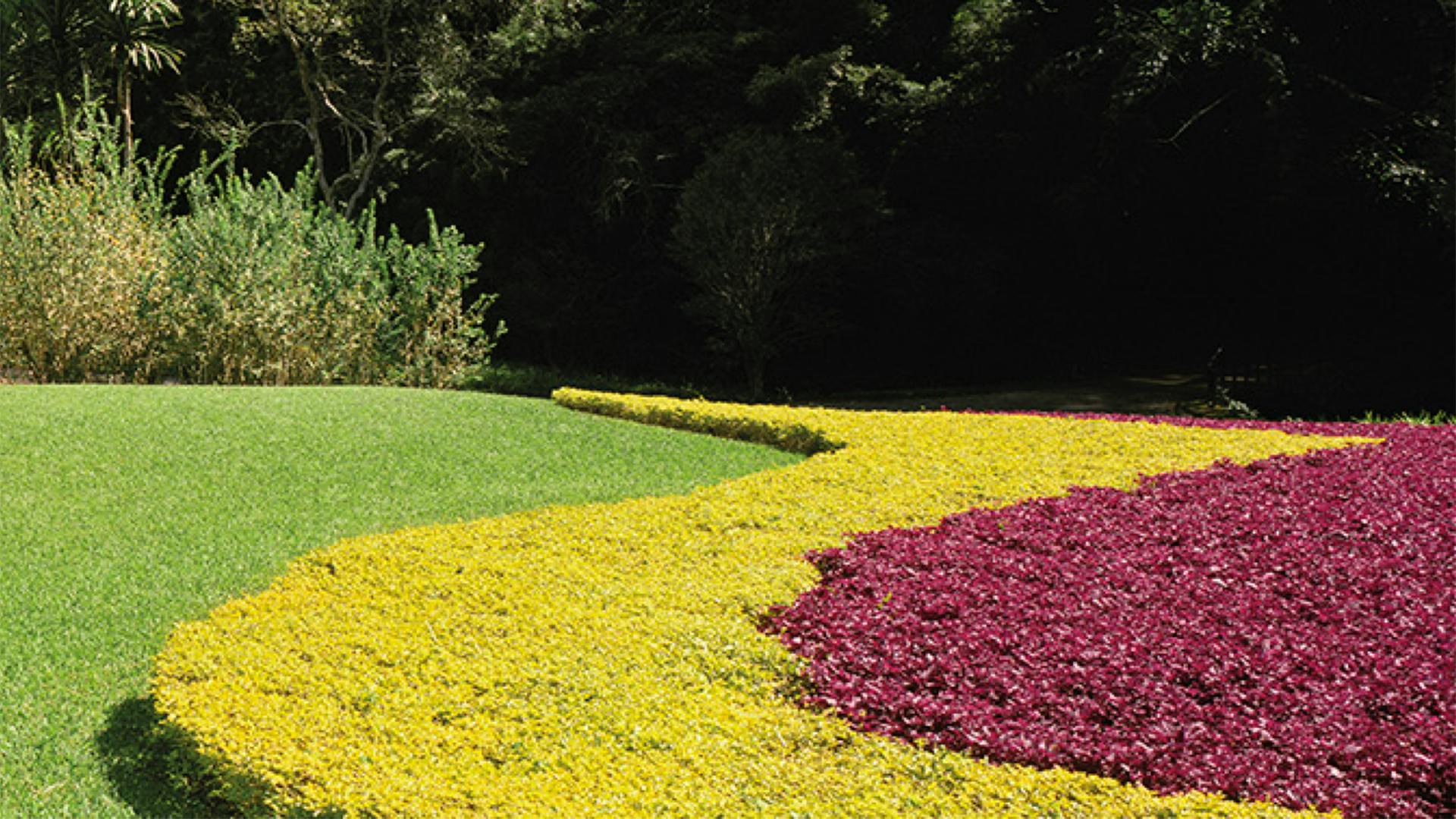
The Burle Marx Institute (BMI)'s top priority is to safeguard and make public the collections left by Burle Marx and his collaborators through their inventorying, cataloging and digitization.
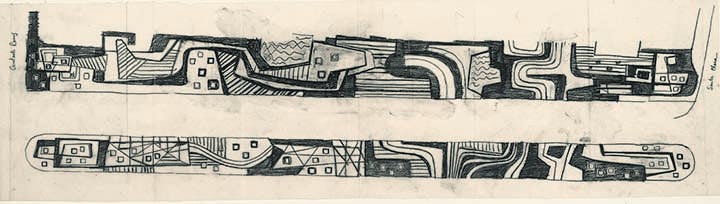
The 150,000 piece collection is composed of studies, drawings, models, urban projects, letters, photos, and published articles, all of which are carefully preserved in documents. The collection displays the creativity of one of the most innovative thinkers of the 20th century.
The Burle Marx Institute (BMI) aims to preserve and disseminate the collection left by Brazilian landscape architect and artist Burle Marx and his collaborators. The organization’s goal is to connect themes in his works to relevant current topics, effectively giving new meaning to his legacy, and promoting visions of urban landscape transformation and greater equity. The Institute believes that boldness, experimental liberty and aesthetic language can inspire current and future generations – especially youth, artists and urban planners – to create changes and new visions of the future.
History
The Institute is a non-profit civil society organization that aims to learn from and work with other organizations and social groups. BMI was created by dedicated associates at the Burle Marx Studio to make his collection accessible to the public. Haruyoshi Ono, Burle Marx Studio partner and director until 2017, always argued the importance of preserving this collection. In 2019, his daughter Isabela helped continue this mission of safeguarding and disseminating the collection, seeking to inspire new works and to promote cultural, educational and environmental conservation initiatives in collaboration with it.
Cavanelas House
With architecture by Oscar Niemeyer and landscaping by Burle Marx, Cavanelas House, located in the mountainous region of Rio de Janeiro, represents the experience and experimentation of the collective landscape legacy of Roberto Burle Marx and his collaborators. The recently acquired space will be the Institute's technical reserve, a future public access space for the construction of new narratives and exchanges of knowledge based on the concepts and memory alive in the landscape collection.
Scheduled to be open to the public from 2028, the future space foresees the creation of a technical reserve suitable for safeguarding and consulting the collection, an auditorium, an exhibition space, in addition to areas for coexistence and activities providing experience and encounters. The goal is to be a great space for exchanging knowledge, a laboratory for ideas and debates based on the work and legacy of the landscaper and his team, with programmatic activities of art, culture, environment and education and exhibitions, around themes that dialogue with contemporary issues, mainly related to SDG 11, “Sustainable Cities and Communities”.
This is the first step of a long-term project that covers socio-environmental mapping and a project to structure and implement new areas and adequate technical reserve for the collection. The architecture project is by Thiago Bernardes and his team, with landscaping by the Burle Marx Studio, and preview the respect for the surrounding nature and the modernist DNA of the residence, composing with the original layout, the garden and the surrounding forest.
Mission
Preserve, disseminate and give new meaning to the Burle Marx collective legacy to promote greener, sustainable, diverse and inclusive cities in public and private environments, strengthening coexistence with natural elements, the encounter between people and the landscaping as an artistic pratice.
Values
- Respect to memory Excellence Commitment to the exchange of experiences Stimulus to knowledge Interdisciplinarity Coletivity Passion for the cause Ethics and Transparency
Preserve and reverberate the living art of Burle Marx
The Institute operates with an assertive, inclusive and collaborative vision that seeks to raise appreciation for the collection through cultural and educational initiatives and knowledge exchange, while aiming to contribute to Brazilian biome preservation and to improving the relationship between man and nature. Through its work, the Institute also aims to expand discussions on healthier, greener cities and SDGs (particularly number 11), and to promote aesthetic experimentation and freedom of expression.
Team
- Isabela Ono Julio Ono Gustavo Leivas
- Isabela Ono Julio Ono Gustavo Leivas Frederico Gelli Marisa Vassimon Paulo A. Weyland Vieira Júlia Dias Leite Marcia Freitas (On Leave: Ana Toni)
- Adriana Moura Marcelino dos Santos
- Isabela Ono
- Tatiana Leiner
- Rafaela Manhães
- Paula Mattos
- Marcelo Caridade
- Michele Fajardo
- Founding Partners
- Board Members
- Fiscal Board
- Executive Director
- Communication Manager
- Finance Coordinator
- Administrative Analyst
- Accounting
- Sponsorship and Relationship
Burle Marx Institute Collection
- Christina Gabaglia Penna
- Lia Peixinho
- Mariane Vieira
- Giovanna Fernandes Deborah Barros Graziela Simões
- Mirielle Lima Ana Caroliny de Sá
- Priscilla Oliveira
- Technical Supervisor
- Technical Coordinator
- Environmental and Social Management
- Museologists
- Archivists
- Librarian
Institutional Support
Technical Support
